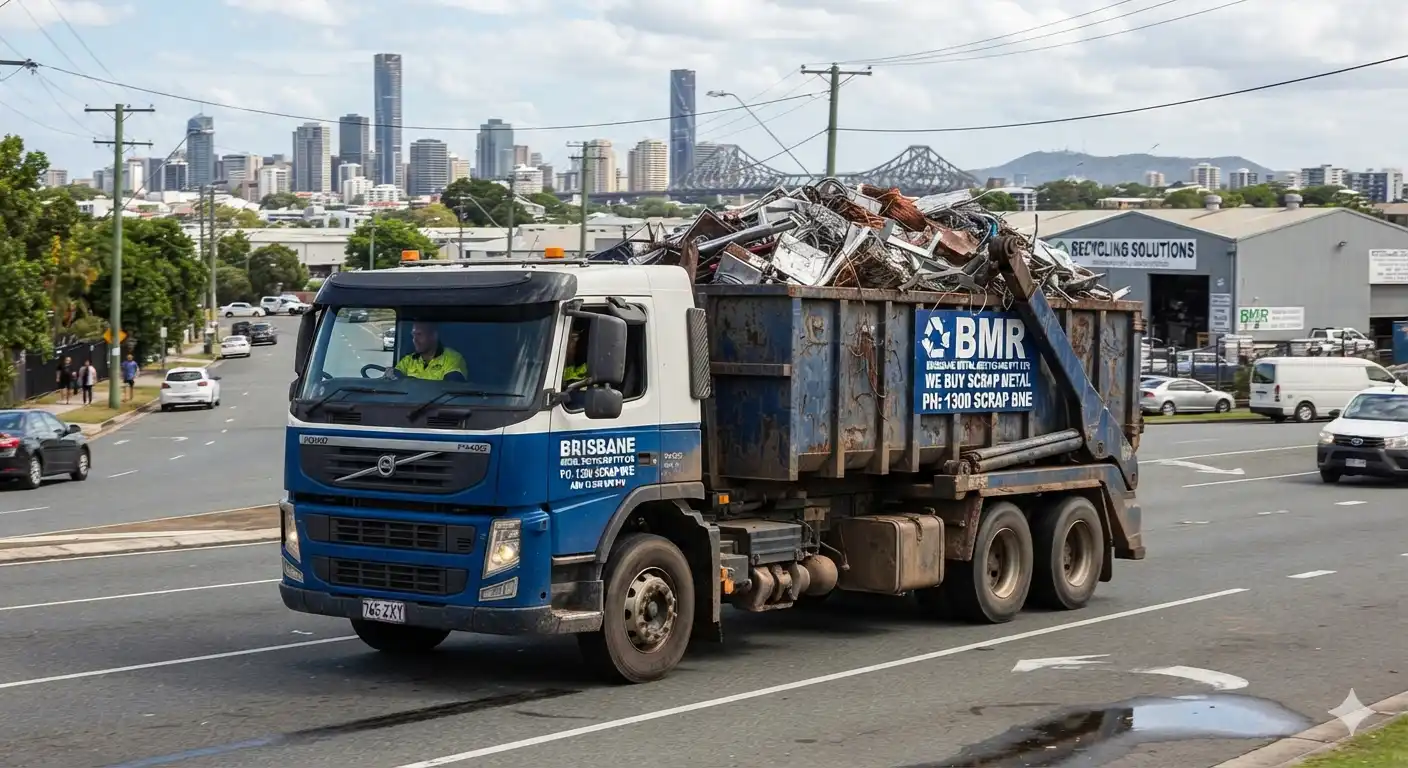
For any Brisbane builder, managing a construction site or a busy Brisbane factory floor is balancing the need to meet deadlines with the need to control budgets. Historically waste management has been looked at as a cost of doing business and a cost that cannot be avoided in the commercial building sector. Then you load a huge general waste skip bin with anything that can be removed from the site and when the skip bin is picked up, you pay the invoice.
Impact On Queensland
But there have been some recent changes in environmental policy in Queensland that have entirely upended this laid-back attitude to site cleanup. The state has stepped up landfill levies in an attempt to hit hard against the ambitious environmental targets, and disposal of mixed waste in a standard skip is now a costlier endeavor for builders. You may still be putting everything in one bin, and you are certainly burning a hole in your company's profits. Thankfully, one small change in operations can save you half the cost of your commercial skip in an instant; implement a job site scrap metal bin service. Don't treat a scrap yard like a garbage dump: the reality of the yard is that "dirty" metal costs you money. They can turn your scrap metal into a new resource for industry by compressing it and sending it off. To melt metal efficiently, the material should be pure.
Detailed Synopsis On Purity & Grades Of Metal Scrap
You are presenting a problem for the yard when you introduce "dirty" scrap. In the recycling industry, dirty is not synonymous with the metal having mud or dust on it. This is when the desired metal is bonded to non-metals or low-quality metals. If you're importing a lot of copper piping, but brass valves with high lead solder joints are still on the ends or melting down the sides of the copper, the copper is dirty. The reason is that the brass and lead will contaminate the final mix; the yard can't simply drop that pipe into the copper furnace.
The yard will need to hire people to cut off those fittings with a saw so they go from one of the highest payout levels ("Clean Domestic Copper") to a much lower payout level where they are mixed metals. Just because you don't take the time to separate the metals, you lose a huge amount of profit. A simple pocket magnet can be used to follow the 5-Minute Sorting Rule: ferrous vs. non-ferrous — to increase your payout at the scales. The separation of the haul into ferrous and non-ferrous metals is instant by using this simple tool.
Ferrous metals (magnetic / low value): if the metal is firmly attracted to the magnet, it is a metal that contains iron or steel. The ferrous metals are very abundant, heavy, and inexpensive. They still can be recycled in quantity but are the least expensive at the weighbridge. Nonmagnetic / high value: if the magnet pulls off easily, it is a non-ferrous metal such as copper, aluminum, brass, or stainless steel. The metals are very valuable and constitute a large portion of your real cash payment. Before driving onto scales, remove the magnetic steel from nonmagnetic metals. If left blended together, the yard operator will frequently grade the whole bin at the lower steel price; you could lose a lot of money on lost revenue. To ensure that you are receiving top dollar for your non-ferrous metals, spend a few minutes in your workshop to clean up your high-value metals before you load them into the truck. Copper wire is a very valuable piece of wire but is heavily insulated with plastic. If you bring it in with the plastic still attached, you'll be paid the "Insulated Copper Wire" rate, which allows for the dead weight of the plastic.
Tips To Increase Your Payout Significantly
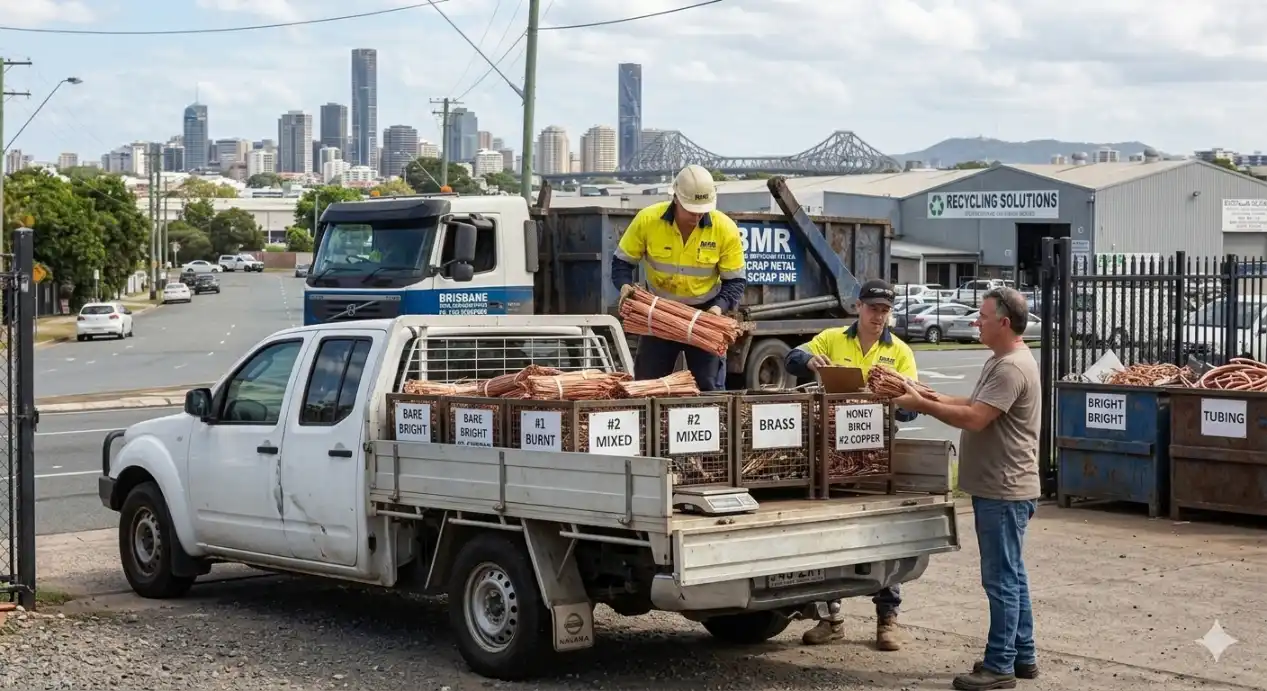
If you have a considerable quantity of thick cable, a simple utility knife or mechanical cable stripper can make it into "clean bright copper wire," the most profitable cable in the entire scrap industry. With a pair of pipe cutters, cut off any green brass fittings, plastic brackets, or steel framing clips on the copper pipes. Separate the clean copper tubes into one bucket and the brass fittings in the other. Brass is also one of the valuable non-ferrous metals; you will be paid premium rates for both when they are kept separately in different bins.
Old aluminium window frames are a very good source of mixed scrap but typically contain a lot of glass fragments, rubber weather stripping, and iron screws. Using a screwdriver and a hammer, break through the glass and remove the plastic seals. The procedure of stripping the frame down to pure aluminum takes less than 5 minutes per frame and can effectively double the worth of the load. Visiting the Brisbane scrap yard shouldn't be a gambling game, according to the summary. Learning about the precise money distinction between clean and dirty metal lets you control your very own payout. Don't spend your hard-earned profits on yard work fees. Pick up a magnet, gather up all your ferrous items and drop off your non-ferrous varieties, then cut off the fittings that were contaminating the goods and head to the scales with an organized and clean load that will fetch top dollar.
After the 5 minute sorting rule, you need to know what to do when you are at the actual scrap yard to maximise your efficiency and negate the need for down-grading. There are many sellers who take time to clean materials but fail to save money since they do not pack the vehicle or trailer properly. When you're coming up to the weighbridge, it's important to have a little foresight so you don't get your efforts hidden by a few sheep.
Arranging The Scrap: Sequence Explained
Always load material with a logical pattern when loading your vehicle or trailer. The way that metals are deposited can make a significant difference in how the yard operator rates the haul. Load low-value materials first: put heavy structural steel or iron in the bottom of the tray. Store high value metals on top: store clean buckets of copper, brass, and aluminum on top where they can be easily accessed. Keep sorted non-ferrous metals in separate containers: store sorted non-ferrous metals in tubs that are clearly labeled not rolled around. Make inspection easy: always make sure the yard operator is able to inspect your separation efforts as soon as he/she enters your trailer tray.
On entering the yard, the yard operator will inspect the load as you drive on the scales. If they can notice a pile of rubbish with a pile of iron covering it, they'll probably think it's just junk and give it the lowest iron rate. With all the clean, sorted non-ferrous metals clearly separate, it's easy for the staff to weigh them individually on the smaller, high-precision scales.
Caution: "Mixed Load" Traps
If you arrive at a Brisbane scrap yard with an unruly load and expect to sort it as you're unloading, you're playing a big game. Yard managers prefer vehicles to be moving through the bays as quickly as possible on jam-packed mornings. Don't block the commercial trucks: a bottleneck on the grid means staff are frustrated and business goes slower. There will be a strong demand for a "yes" or "no" answer: line personnel will tend to push for a quick decision to keep the line moving. Avoid the flat-rate charge: they will show a very low "mixed load" charge for the lot. Do not waste your fuel: your only other option will be to reload your truck and go without a payout. Sorting your materials completely before you leave your driveway is the only way to protect your profit margin. It maintains a quick transaction, makes the yard staff happy, and ensures it's a guaranteed way to get the money your metals are worth. Running a larger site clearance? Our guide on arranging bulk scrap metal cleans on industrial and demolition sites covers bin sizing and certified weighbridge payouts.