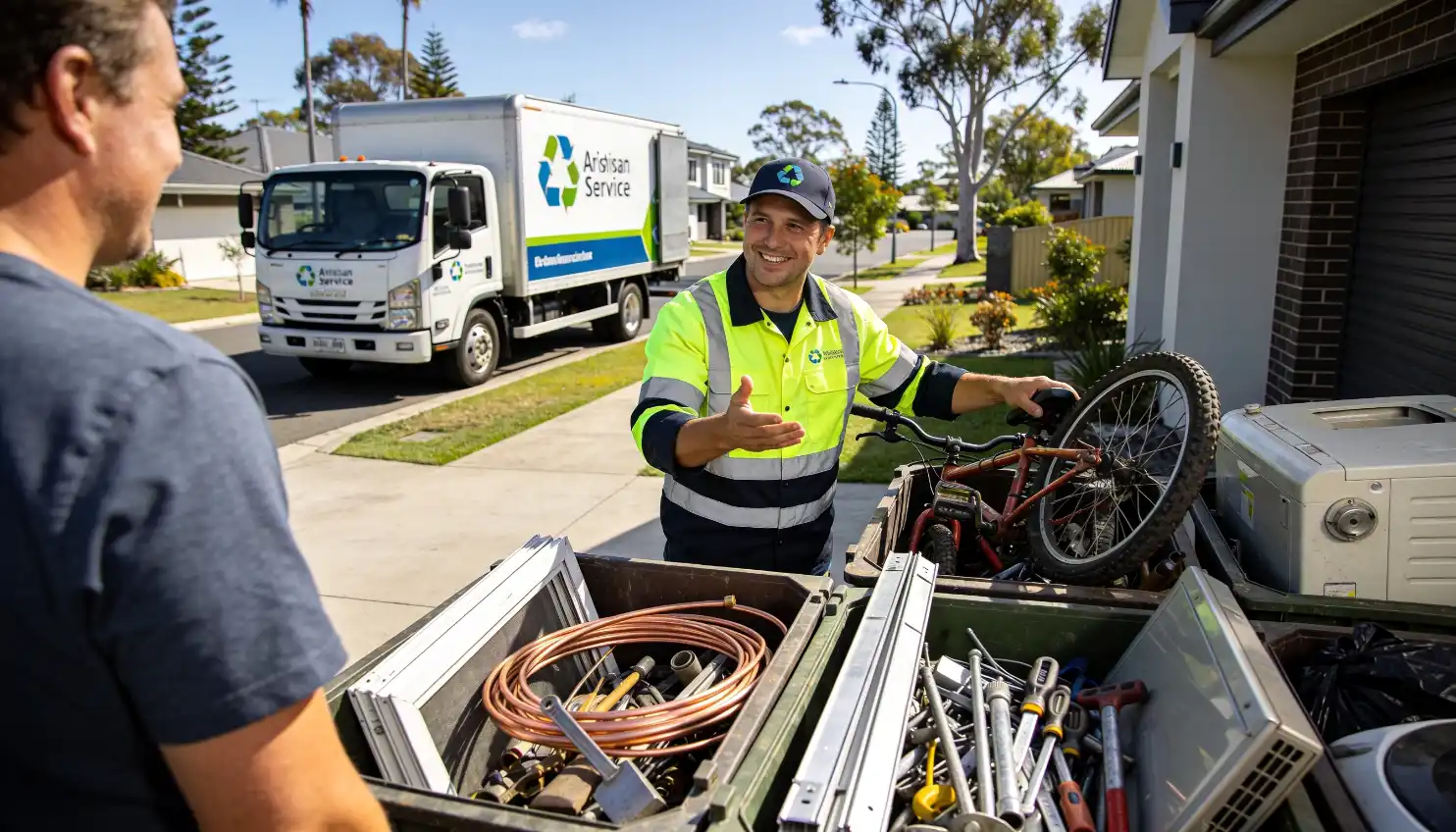
So, we all have that corner in our shed, garage, or yard. It's where things old and broken are left behind. Perhaps a rusted out lawnmower that perished after its last use, a pile of old car batteries, or a stack of old aluminium window frames from a weekend DIY project. To most, this pile will seem like nothing more than an eyesore, a chore they will need to endure at the local rubbish dump in the near future.
However, when you put old metal into your general waste skip or pay a waste removal company to collect it, you're literally throwing money away. Compared to plastic packaging, cardboard boxes or glass bottles, scrap metal is extremely valuable. Metal is a special resource in that it can be melted down, refined, and recycled indefinitely without the loss of structural strength or chemical purity.
As a result, any yard that deals with scrap metal is always looking for more metal and the sooner you realize that they'll pay you cash for your unwanted junk, the better. Before you fill your car with all the junk you might want to take to the local dump, let's take a look at the world of scrap metal, the differences between the most valuable metals and how you can convert your garage junk yard into a nice little payday.
Ferrous vs. Non-Ferrous: The Simple Magnet Test
The first rule of scrap metal is that there are two main families of metal: Ferrous and Non-Ferrous. Important to note is what type of metal you are dealing with as non-ferrous metals are worth much more than ferrous metals. Fortunately, it isn't necessary to be a chemistry expert to determine what you have. All you need is a simple kitchen fridge magnet.
Now take it outside to your junk heap and press the magnet against the metal: If the magnet holds onto the metal firmly, it is a Ferrous metal. They are the iron-based metal, such as normal construction steel, iron plates, as well as cast iron. Ferrous metal; it will certainly be accepted at scrap yards, but it is a very common and abundant metal, and that is why it is the lowest price per kg of metal. Consider items such as old whitegoods (fridges, washing machines), car panels, steel beams and old metal fencing.
If the magnet simply slips away, it's a Non-Ferrous metal. These are metals without iron (copper, aluminum, brass, stainless steel, and bronze). These metals are scarce, relatively expensive to be mined from the ground, and are also very popular with manufacturers and scrap yards will pay more for these metals.
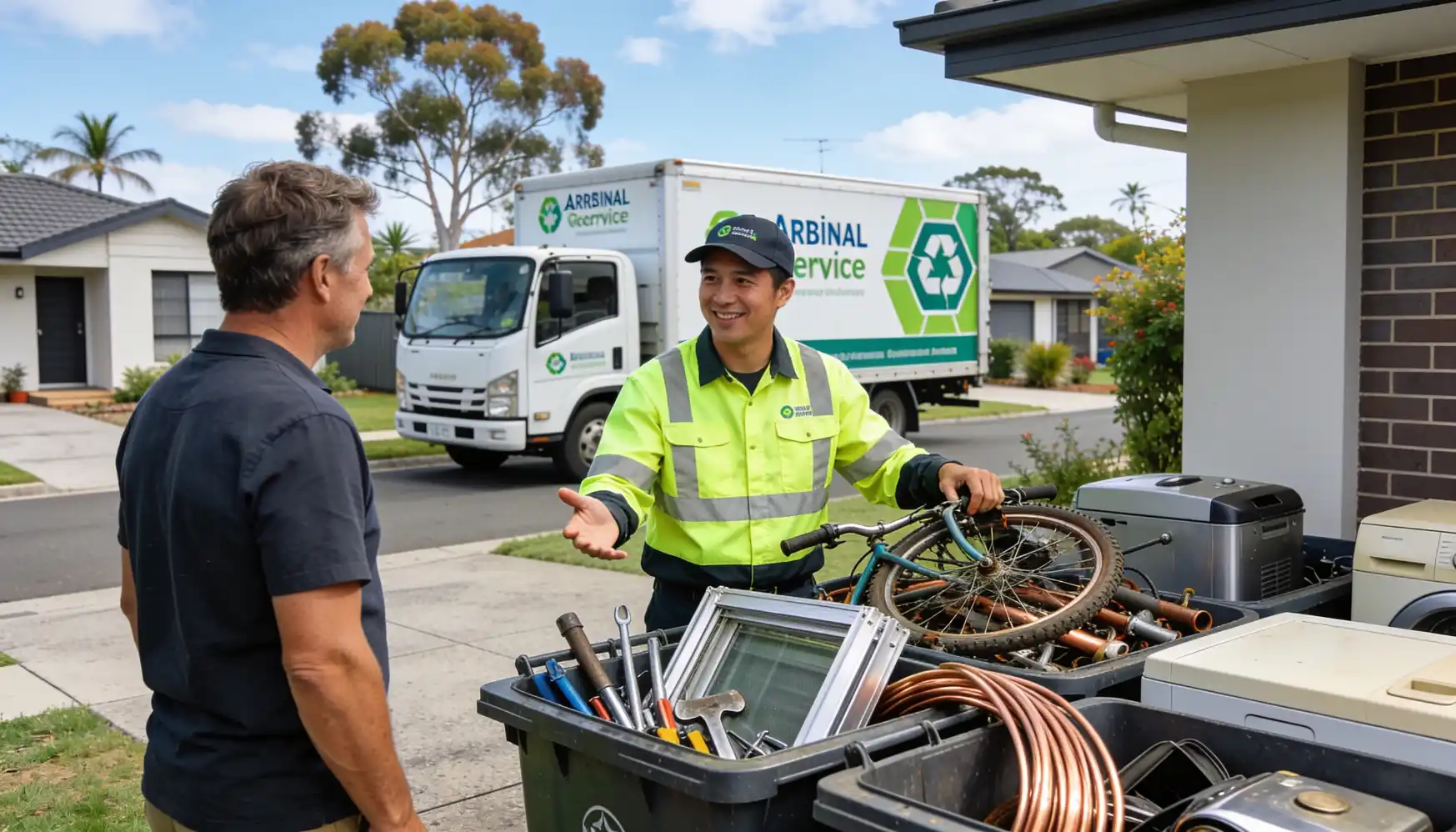
The Big Earners: High-Value Scrap to Look For
If you're looking to get the best price at the scrap yard, then you should pay attention to the “Big Three” non-ferrous scrap. These are the things that make this a really profitable weekend project.
Copper (The King of Scrap):Copper is the king of the scrap yard. It's a key component in high-tech electronics and has always been in high demand in huge quantities. Old plumbing pipes, hot water heaters and electrical wiring contain high-quality copper. Copper is sorted into various grades by scrap yards. The highest price received for copper pipe is for clean, bright, unpainted (called “Bare Bright” or “No. 1 Copper”). An insulated electrical wire is also very valuable, but the rate the yard can offer is slightly less, as they must take into consideration the weight of the electric wire's plastic insulation jacket.
Brass (The Heavy Hitter): Brass is a heavy and dense alloy of copper and zinc. It is very resistant to corrosion and is a lovely look, therefore it is used anywhere in the house fixtures. Look out for old brass taps, doorknobs, light fixtures, plumbing valves, and even old keys. A small bucket of old plumbing fittings can quickly turn into a surprising weight as brass is heavy.
Although the price of aluminium per kilogram is not as large as copper or brass, it is made up for by the quantity. It's very prevalent and lightweight. Clean scrap aluminium is available in old window frames, screen doors, car rims, gutters, downpipes and even engine parts.
Many new scrapper's make the mistake of piling all their different metals at the back of a trailer in a huge untidy heap and head to the scrap yard. If you do this, it is likely that the yard operator will give you the lowest price for steel, so in the end you will receive less money than the value of your copper or aluminium.
Prepare Your Metals: Sort Before You Go
Use a couple of inexpensive plastic storage bins or buckets to sort your metals before you come to the store. Separate your copper, your brass, your aluminium and your steel, placing them in a copper bin, brass bin, aluminium bin and in the trailer bed. You can give the weigh-bridge operator a clean and tidy load, which demonstrates that you are aware what is in your load and that you are going to be paid the correct rate for each type of metal present in the load.
The truth about the scrapyard is they are only interested in the pure metal, not the junk that may still be there. If the window frame is aluminium and there is still steel screws, rubber seals, or glass on the aluminium window frame, it is considered a “dirty” aluminium window frame and can be sold for a lower price. If you can take 10 minutes to remove the plastic handles, iron screws or rubber hoses with a screwdriver or a hacksaw, then your scrap value will skyrocket to “clean” status, and you'll make more money.
Why It Matters: The Environmental Payoff
Earning cash from your garbage in the garage is a great benefit — just remember to bring a valid photo ID along, as Queensland law requires it at every yard. But it's the environmental effect of scrap metal recycling that's probably greater. Extracting raw ore from the earth to produce fresh metal is a destructive and energy intensive operation that demands large, open-cut mines, large, heavy machinery and toxic chemical operations.
The amount of energy required to recycle the existing metal is, by comparison, a fraction of that energy. For instance, the energy required to recycle old aluminium cans and frames is about 95% less than the energy needed to produce new aluminium from raw materials. You're not just filling up your car with trash, you are helping to cut down on carbon emissions, stay out of local landfills and help establish a clean and sustainable circular economy. It's one of the rare win-win situations where it's a no-brainer to do something better for the Earth and get something better for yourself, too.