Wrapping up the metals with no organisation or sorting is the fastest way to take a loss. Scrap yards are always ready to pay you for your metal, but they are businesses that take into account labor costs when pricing it. Your copper and your steel will be sorted by a yard clerk, and if he has to spend time separating them from the aluminium, he will naturally take the lowest price for all of the aluminium to compensate for the time.
The key to getting the biggest return is to do the preparation yourself. If you spend a few hours at home sorting, cleaning and stripping your materials, you can double or even triple your financial return on the same stack of materials.
This blog contains the ultimate step-by-step preparation techniques to make sure you're getting the most money at the scales.
Master the Golden Rule: Clean vs. Dirty Grading
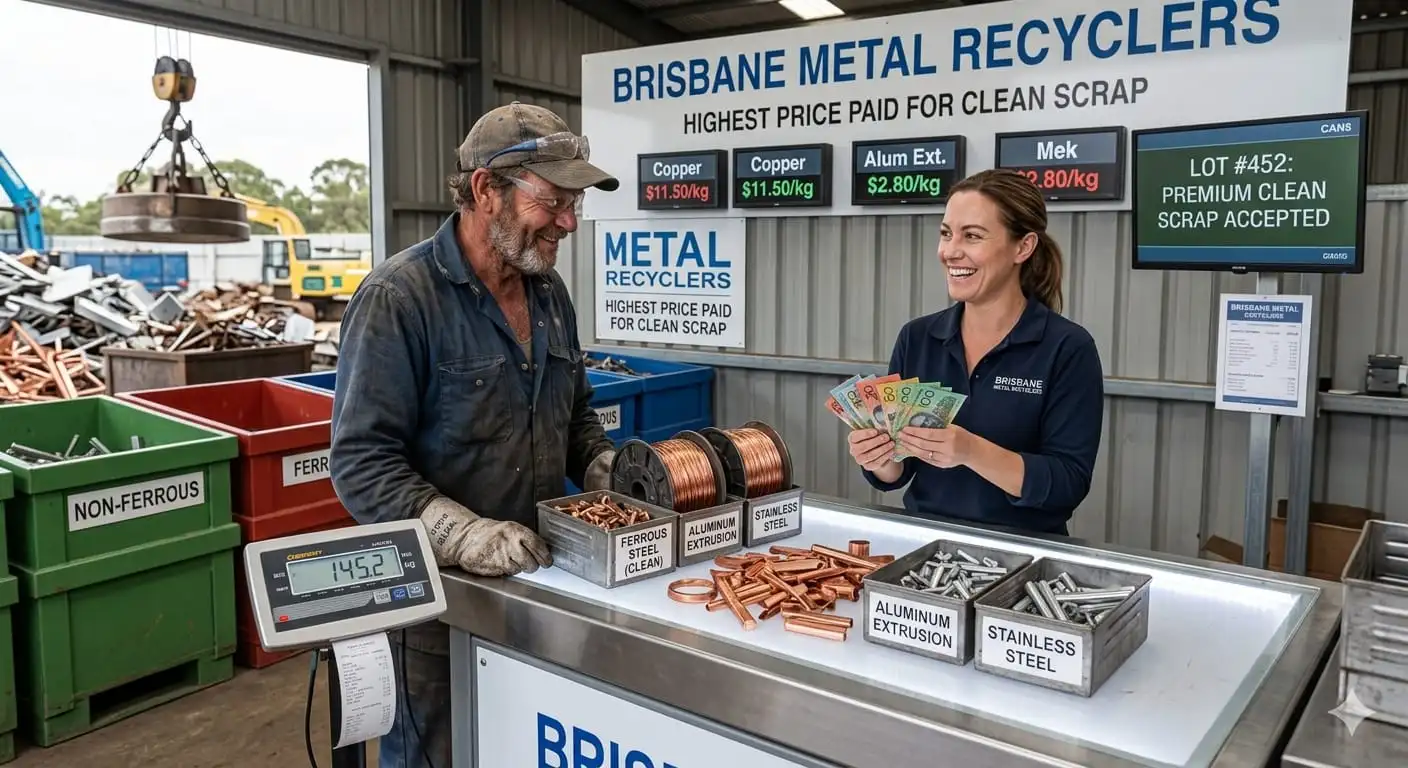
In the scrap metal business, there is no "clean" or "dirty" in terms of mud or dirt. Instead, they are about the presence of a premium metal alongside non-metals or low value alloys.
Clean metal: a single pure metal type, without any attachments, plastics, rubber, insulation or other metal alloys. Purest metals always fetch the best market price.
Dirty metal: a high value metal that is still covered with screws, plastic handles, rubber hoses, steel brackets or heavy glue. The yard has to include labor costs in the purchase price for dirty metal because of the work needed to break it down.
The action step: take out a screwdriver, pliers and a hammer. Dismantle objects prior to loading. Unscrew plastic handles from aluminium pots, remove rubber hoses from brass fittings and smash plastic ends from metal pipes to instantly turn your dirty items into clean ones.
Execute the Magnet Test to Sort Ferrous from Non-Ferrous
You'll need a simple kitchen magnet for the magnet test to separate ferrous from non-ferrous, before you do any deep cleaning — the same 5-minute sorting rule worth running before every drop-off.
The magnet sticks (ferrous metals): if the magnet sticks firmly to an item, then it is steel or iron. They are very common and have the lowest price per kilogram, but are very heavy.
If it doesn't (non-ferrous):if the magnet pulls off completely and does not stick, you're holding a non-ferrous metal such as copper, brass, aluminium or stainless steel. They're the high dollar money makers.
Action step: create separate storage for non-ferrous metals in buckets or bins. Do not allow one piece of magnetic steel in a bucket of clean copper or brass. If a scrap yard receives steel in a non-ferrous collection, they could possibly assess the entire bin at the low steel rate.
Trim and Upgrade Your Plumbing Copper
Plumbing copper from home plumbing renovations is very profitable, but the joints in the copper are almost invariably contaminated. Frequently, long lengths of pure copper pipe are provided at a point which is interrupted by T-junctions, elbows or brass valves coated with lead solder, glue or paint. This will automatically reduce the whole pipe to Number 2 Copper price.
The solution:use a simple, inexpensive pipe cutter or a hacksaw to cut the pipe away from any soldered joint or brass fitting about 2 inches away. This way you are left with long, clean middle sections, and that's a guarantee your copper will be Number 1 Copper, at premium price. The small pieces cut off with the solder can be dropped into a separate Number 2 Copper bin, and paid for at a lower rate.
It is a huge convenience to sell insulated electrical cables with the plastic wrapping still on them, but it is very expensive. Scrap yards will seriously reduce the payment for the plastic insulation.
When to strip: it is highly profitable to strip thick building mains cables, heavy-duty extension leads or industrial wiring. The inside is a shiny Bare Bright Copper wire that is the richest of all scrap metals on earth, and can be easily removed using a sharp utility knife or a cheap mechanical wire stripping tool.
When not to bother: avoid spending time stripping thin computer cables, phone lines or small appliance cords. These wires contain a very fine strand of copper, and it would take a long time and a lot of effort to extract them by hand for only a very small difference in weight. Sell these as low quality insulated wire instead.
De-Contaminate Your Aluminium Rims and Extrusions
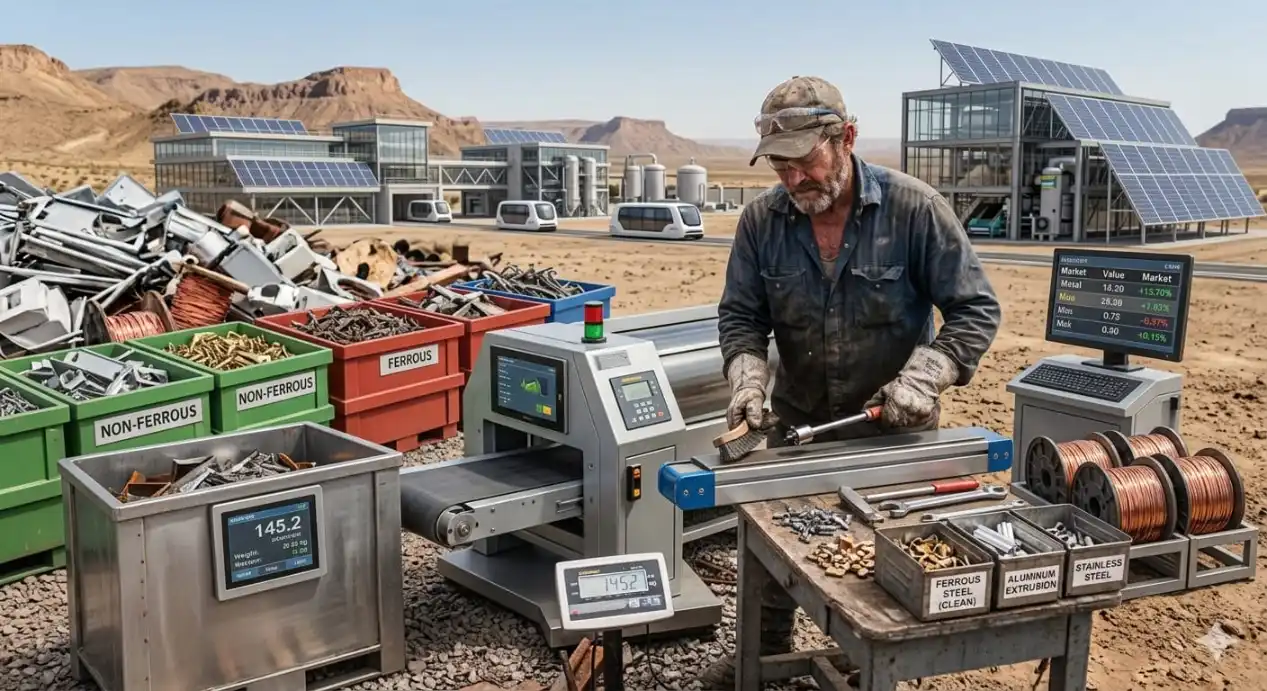
Aluminium is lightweight, plentiful, and if it is kept in good condition it will bring money. It is often mixed with other materials in the course of its use, however. When removing old car wheels, you have to use pliers to remove the clip-on lead wheel weights, and take out rubber or brass tyre valves. Leaving these on lowers your payout to "dirty aluminium" pricing.
Aluminium window frames: if you have taken old sliding window frames out during a home renovation, be sure to smash and remove everything from the frame, including glass, rubber weatherstripping and the metal screws used to hold the frame in place. Bare aluminium extrusions will earn a great premium.
Items No Scrap Yard Will Touch
Sealed pressurised vessels: unopened gas cylinders, fire extinguishers or aerosol cans are a huge problem in industrial shredders.
Hazardous chemical drums: fuel tanks or paint tins with wet residue, oils or toxic solvents still inside.
Undrained car parts: engines, gearboxes or steering columns still filled with motor oil or coolant.
Contaminated items: old smoke detectors (containing radioactive isotopes) or asbestos-contaminated objects.
High risk public property: street signs, railway tracks or city water meters, rejected straight away unless you have official commercial council paperwork.
Also expect a hard no if you can't present a valid Australian driver's licence or passport, or if you're asking for an illegal cash-in-hand payment. So you've learned how to sort, trim and clean your metals to be a pro. Don't let your hard work go down the drain with uncertified scales and unclear grading. Leave it to the experts at Brisbane Metal Recyclers to take care of you and book your collection — we make sure you're getting every cent your metal is worth.