If you haven't been to a scrap metal yard in a while, driving up to a Brisbane weighbridge might come as a surprise. The days of loading your car with a pile of rusty copper pipes or old car batteries, and walking away with some not-so-handy fifty-dollar notes are gone. In today's world, the intake process is more like going to the government building, or opening a bank account.
Regulations To Sell Scrap in Brisbane
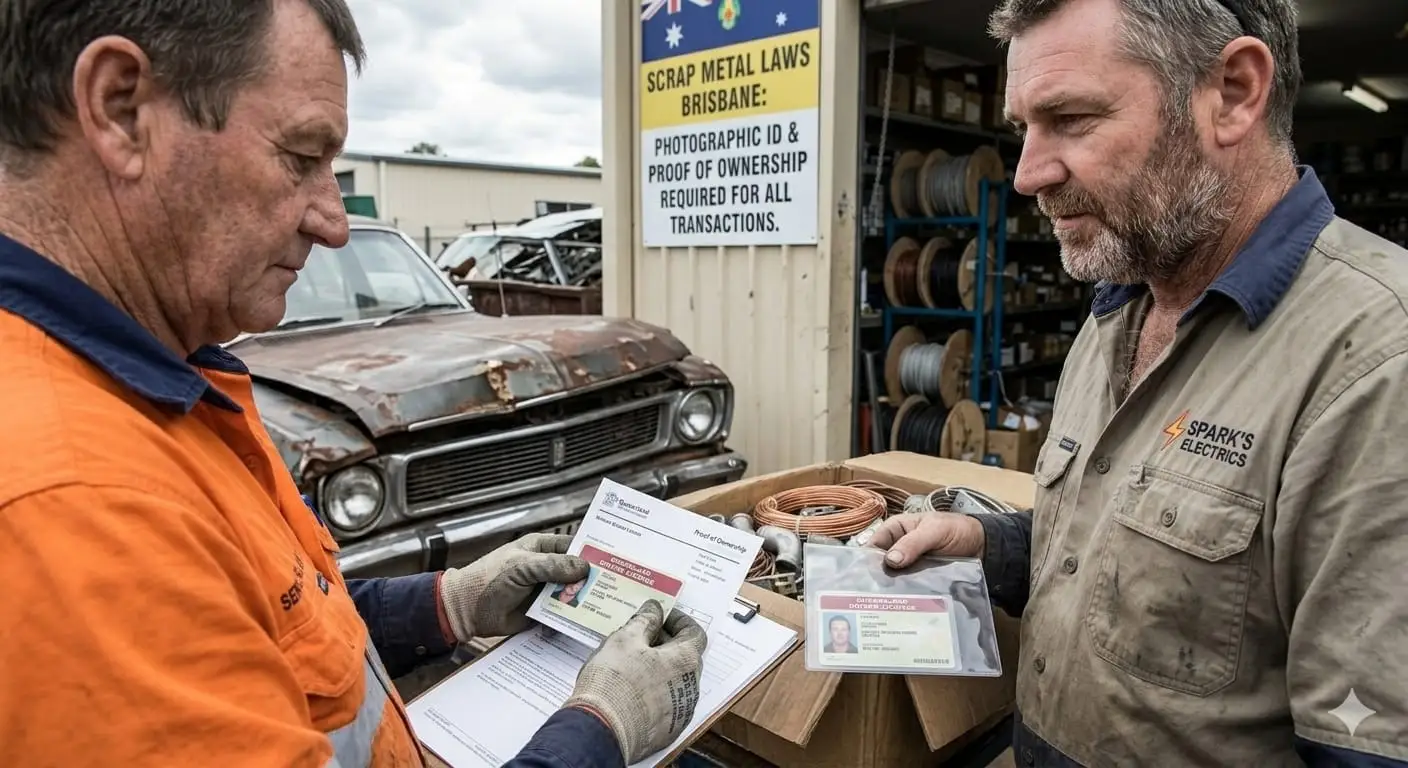
The first thing your yard operator will ask for are your current photo ID and details about you and your materials will be added to a secure tracking database. These strict intake steps can seem like onerous red tape to both residential homeowners who are clearing their garage in Chermside as well as commercial contractors who are clearing up a demolition in Rocklea. These rules are not just a set of random suggestions that some business owners have come up with to help slow down your day, though. Under the Queensland Second-hand Dealers and Pawnbrokers Act they are obligatory laws strictly enforced. The laws were created with a clear focus in South East Queensland to fundamentally change the recycling industry, close down the flourishing stolen property trade and prevent opportunistic criminals from targeting trade workers and businesses.
Understanding The Legal Framework
To understand the legal framework, you need to go back and take a look at how the scrap yard industry worked prior to its regulation by the State. The scrap metal business was traditionally all cash. This made it easy to pay out quickly, but provided a huge, unchecked opportunity for opportunist thieves and crime syndicates to exploit. Theft of copper wire from any active construction site, public park lighting infrastructure, rail and residential electrical substation became an epidemic in South East Queensland. As copper has a high commodity value, it would be possible for thieves to remove live infrastructure, strip the plastic insulation and sell it off anonymously for instant cash that cannot be tracked.
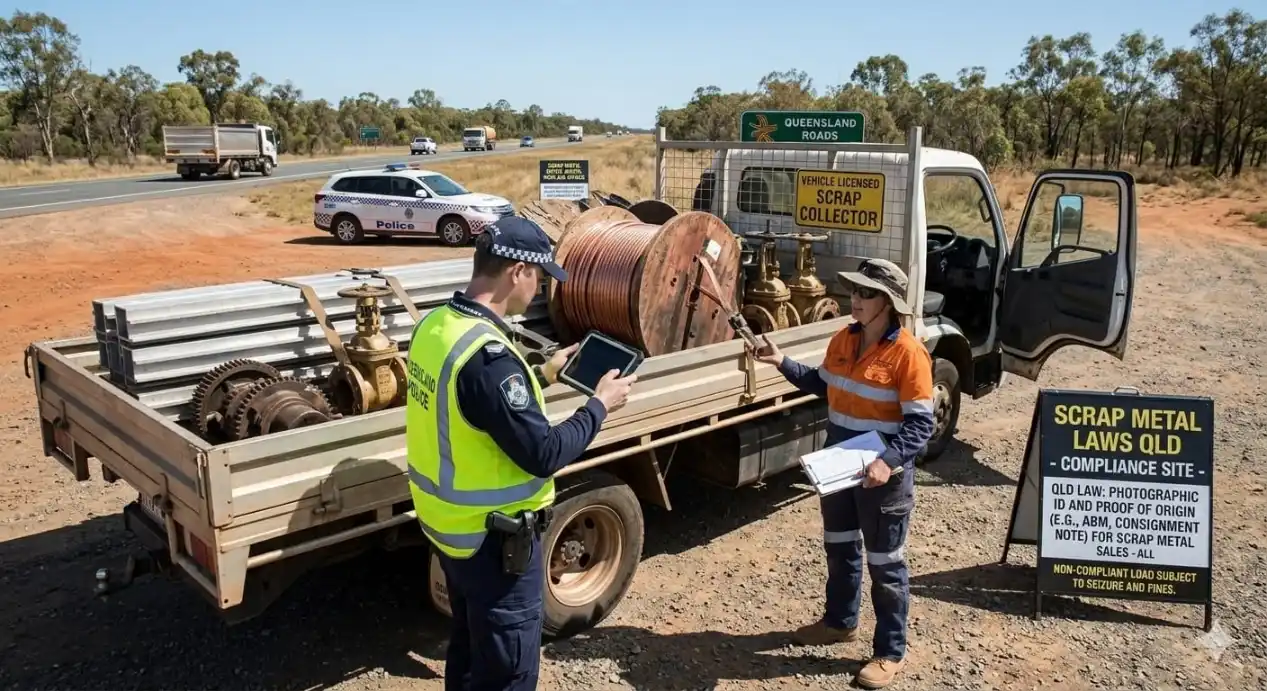
The Queensland Government has put in place tough changes to the Second-hand Dealers and Pawnbrokers Act to stop the cycle. The legislation places the yard in the same category as second-hand dealers, which means that they are required to be licensed by the state to accept recyclable items. The law takes away any anonymity. It puts a legal responsibility on the scrap dealer to produce a clear, unalterable paper trail on each and every gram of metal that goes over his weighbridges. The business is subject to exorbitant fines, corporate suspensions and permanent loss of its operating license if they don't register a verifiable identity of a seller in the yard.
Documents You Need When Visiting a Brisbane Yard
Whether you're packing up your car and heading down to one of the local yards, anywhere between Brendale to Logan, you need to make sure you have the necessary paperwork at the front desk. A general gym card, credit card or photoless workspace pass will be a flat no-no. The law requires certain types of identification to ensure verification of identity prior to any financial transaction. The easiest and most universally accepted form of identification is a valid, current Queensland Driver's License. This document is flawless with your legal name, a clear photo, your current residence and a license number that you can cross-reference with compliance officers. If you do not have a driver's license, you must have a government-issued photo ID card, for example a valid Australian Passport or Queensland Photo Identification Card.
If you are a commercial organisation, industrial fleet or registered tradie and bringing in a large volume of scrap, there are a couple more details to complete the identification process that will meet corporate guidelines on the local market. Your registered Australian Business Number (ABN) will be required along with a photo ID. Directly connecting your trade drop-offs to a real company makes it possible for the scrap yard to establish a business-oriented trade account. Not only does this ensure that all payouts meet the Australian tax requirements but it also results in formal tax invoices that your bookkeeper will be able to easily reconcile during tax time.
Ban On Physical Cash: Scrap Payouts Online
The most significant change from Queensland's new metal recycling laws is that the vast majority of sales of metal recyclables are now conducted electronically rather than in cash. The term " cash for scrap cars" or "cash for copper" was used and printed on billboards and local classifieds for decades across Brisbane. Though these terms are still used today metaphorically in advertising, the actual transactions of exchanging physical banknotes at a scrap yard counter remain highly regulated and are mostly restricted.
All compliant Brisbane scrap yards now practice instant Electronic Funds Transfer (EFT) or a secure check payment. The dollar value is determined automatically based on the daily market rate, when the load is graded, sorted and weighed on a digital crane scale. The weighmaster will ask for your bank details (BSB, Account Number), or directly to your debit card instead of pulling out physical notes from a till. This electronic system leaves a financial footprint behind instantly and permanently, which means that there is no fencing of stolen materials and no illegal money laundering. This change is a huge plus for legitimate vendors. The money is not transported to a highly populated industrial zone in a large stack of high-risk, physical cash but is safely and securely placed directly into your bank account on-site. It offers a non-negotiable digital receipt to verify the amount of revenue your business generated from the recycled assets, so you have no cause for concern if your business gets audited by the Australian Taxation Office.
Benefits of Tracking Laws
The tracking laws will have many positive impacts on the local community in Brisbane; though the time it takes to get checked-in at the scrap yard may take a minute or two of your visit, it will be worth the time of the whole of South East Queensland. The number of commercial copper thefts and asset thefts have dropped dramatically throughout the metropolitan area since the mandatory photo ID logging was first introduced and the change to digital bank transfers. School building sites, housing development and transport corridors can leave behind valuable raw materials on site overnight at low risk if they are stolen, as thieves have a much reduced opportunity to sell stolen building materials anonymously. Moreover, it safeguards historical monuments, public utilities and community sporting clubs from devastating vandalism, since local yards are a formidable barrier to the sale of illegal materials.
These identification initiatives are not just about filling up space in your workspace or warehouse and receiving a fair price for your produce, they are also about actively participating. You are contributing to an open, ethical and community-based supply chain. By working with a fully licensed, fully compliant Brisbane scrap metal recycling company, you know your business assets will be handled responsibly, in line with Queensland environmental regulations, and in a way which is in accordance with the highly strict legal requirements that keep the industry safe, secure, and profitable. Bringing in a mixed load of steel, copper and aluminium? Make sure it's sorted before the scales and book your collection with a fully compliant local team.