
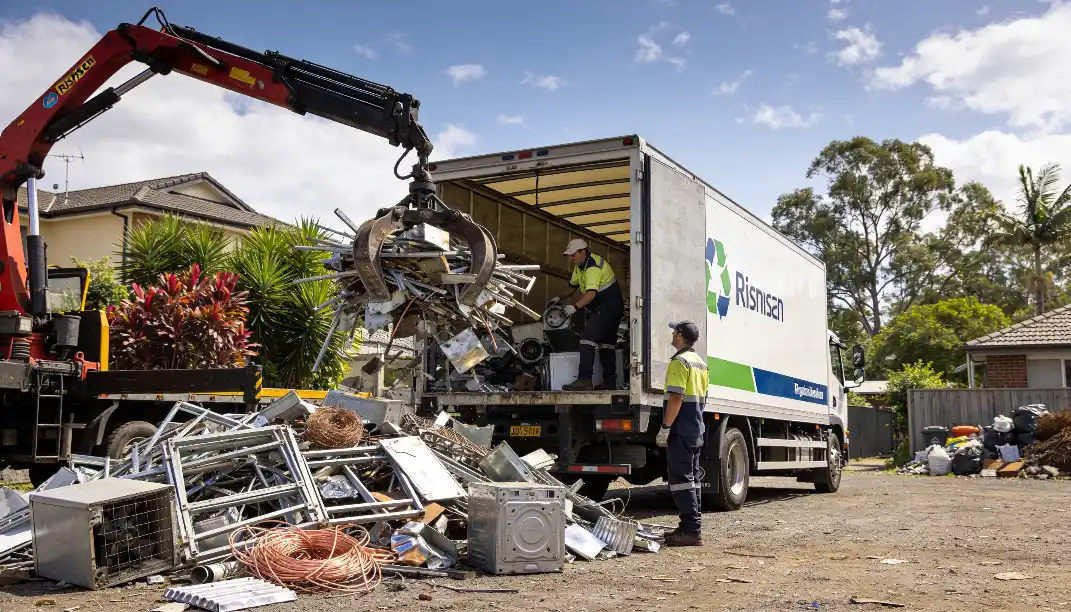
Today's world is a pure world of the new. We queue up all night for the newest mobile devices, tap the purchase button on the internet to buy cheap flat-pack furniture, and immediately upgrade our cars as soon as the manufacturer warranty ends. However, we don't often discuss as a society where the old stuff ends up. Often it is left in a corner of the garage, gathering dust, or rotting in a backyard, or, even worse, in a regular trash bin in front of the trash receptacle.
Although it won't send anyone to jail yet, it is now a modern-day ethical crime to leave junked-up metal, old auto parts, and outmoded machinery to accumulate. With limited natural resources and a severely stressed ecosystem, it is an offence against the global environment, against local economies and against the future of our communities to hoard or drop off recyclable scrap.
It's time we look at trash differently and realize the reasons why we should not keep it around. But when you let old metal appliances, car parts or construction waste lie out in the open where they can degrade over time, you're not only making an eyesore of your neighbor's home, you're causing a slow-motion environmental disaster.
The Why
Heavy metals and chemical residues can leach directly into the earth as the metals corrode and degrade into harmful chemicals over months of contact with rain, sun and fluctuating temperatures. If rainwater gets into an old auto body, an old refrigerator or a stack of old copper pipes, those toxins will end up in local waterways, contaminating the local soil and underground water supply. In addition, not recycling various scraps will lead to more mining of virgin materials from the earth. The mining of iron, copper, and even aluminium is highly destructive and injures natural habitats, local biodiversity and uses an enormous amount of fossil fuels. The energy required to recycle scrap metal is as much as 90% less than the energy needed to process materials from the beginning.
Not to recycle is really “wasting” lots of the earth's energy, while promoting the destruction of additional natural landscapes. A waste of local space for your local community and valuable space that should be kept for non-recyclable organic waste only. Local Councils spend millions of dollars annually on the management of growing landfills from your public tax dollars and municipal rates. As landfills are filling up too quickly, due to the accumulation of perfectly recyclable steel and copper, new sites need to be opened, further destroying nature and the environment.
There's also a significant economic loss to deal with. Scrap metal isn't garbage, it's a very valuable material. The recycling sector has thousands of jobs in the local area, whether they be truck drivers, warehouse workers, processing engineers or administrative roles. The more you allow rust to take hold on your property, the more you are deflating the local economy's raw wealth and resources.
Listen & Learn: A Personal Experience
Once I was a lot more guilty of this neglect myself. Some years ago, I made the decision to replace the dated cast iron radiator units and copper pipes in my home when I was in the process of a big home makeover. The tradesmen did the job and the old, heavy metal was neatly piled in a corner of my garden, where it was out of the way but not visible. “Next weekend I will load it up and drive it to a real recycling center,” I said to myself.
It was just about to become next month, only to turn into more than a year of pure procrastination. Overgrown weeds, tall grass and creeping vines grew over the pile. Until a really heavy monsoon season came through, I forgot it was even in the area. The soil where the secret heap of metal junk was buried was a poisonous, corroding mud that had been soaked for days by heavy rain. Chemical run-off ran straight through into my beloved veg patch with my prized tomato crop not surviving and the soil surrounding that patch turning a sickly, metallic grey. However, it did not end there. I finally pulled the weeds down to get to the heavy metal and learned that a family of stray rodents had made themselves at home in the hollow, rusted pipes, and caused a costly pest problem just next door to my back door.
Finally, I loaded the metal onto a trailer and drove it to a local scraper merchant who processed it in less than ten minutes, and gave me a fair amount of money for the copper. I stood there in the yard, feeling like a big ol' dork. I had destroyed my garden, made a breeding ground for pest infestations and endangered the local soil for more than a year, over a time-consuming task that took less than 10 minutes. It was a vivid reminder of my personal responsibility for not just not cutting to the chase, but for letting the scraps just rot there.
Do the Right Thing
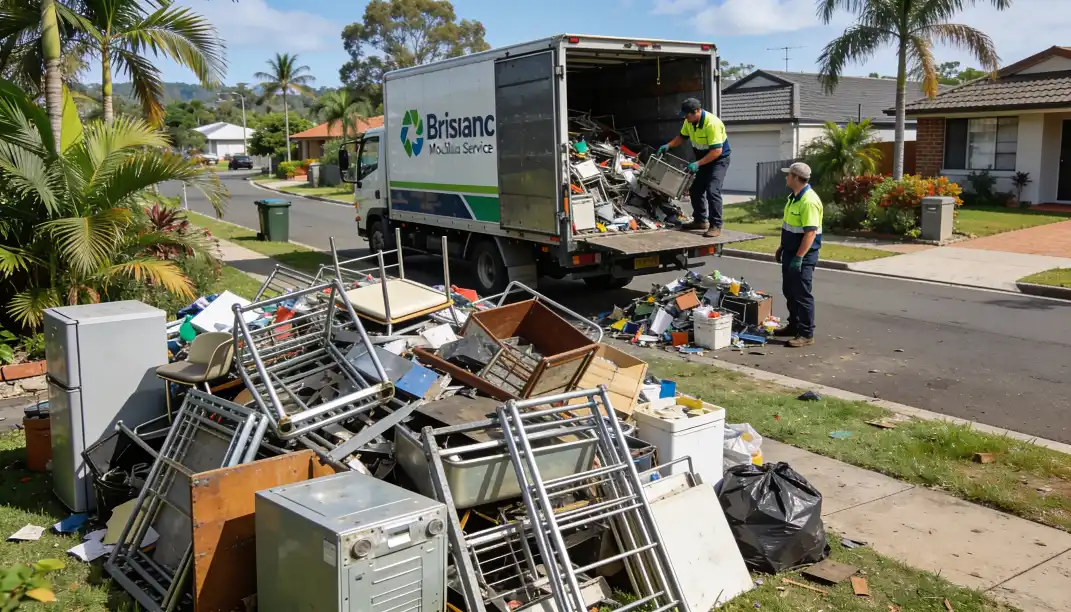
One way to change this behavior is remarkably easy: make “scrap recycling” the default option with minimal effort on your part. The majority of local councils will have a separate resource recovery centre for the drop off of old appliances, metal frames and outmoded machinery for free. If you've got heavy and cumbersome goods, such as a dead car, a broken trailer, or a huge stack of old roofing iron, you don't even have to bend over to try and move them — an unregistered vehicle removal works the same way.
A lot of local metal merchants and specialised vehicle removal firms will immediately take to your property, winch the heavy junk onto a flatbed truck and also haul off to a recycling facility for free. They will even pay you cash at the time you bring them the junk that they can use for the actual material value! Scrap un-recycled is a resource that is needlessly squandered, which directly impacts the planet, which may decrease property values, and which is a burden for your neighbours. Do the right thing if you have either an old broken down vehicle or a heap of metal from an old car or metal that is done with that takes up space on your property.
Contact a local clearance and transport service today and move the trash while processing and recycling your valuable materials to keep the local environment clean, green and safe for all. Not sure where to start? Our beginner's guide to scrap metal recycling covers the basics of sorting and grading your scrap for the best payout.