Being a busy Brisbane auto mechanical workshop or panel beating business is a balancing act. In a busy workshop, with the need to accommodate the customer's schedule, locate parts throughout South East Queensland, and deal with changing vehicle diagnostics, workshop space is always at a premium. With all the servicing and repairs, it's easy to have a day to day life where you forget what is accumulating out the back. Old brake rotors, illegal replacement of aluminium radiators, stripped wiring harnesses and dead lead acid batteries often end up in general waste skips or in dark corners of the workshop floor.
Not disposing of this automotive waste may cause not only safety hazards and clutter, but it also sucks money out of your business.
As operations costs climb in a healthy marketplace, far-sighted mechanics at Coopers Plains to Banyo are seeing business potential in their waste. A strategic automotive metal recycling process will help your workshop reduce the usual expenses associated with waste disposal, comply with strict environmental requirements and also add clean profit directly back to your business.
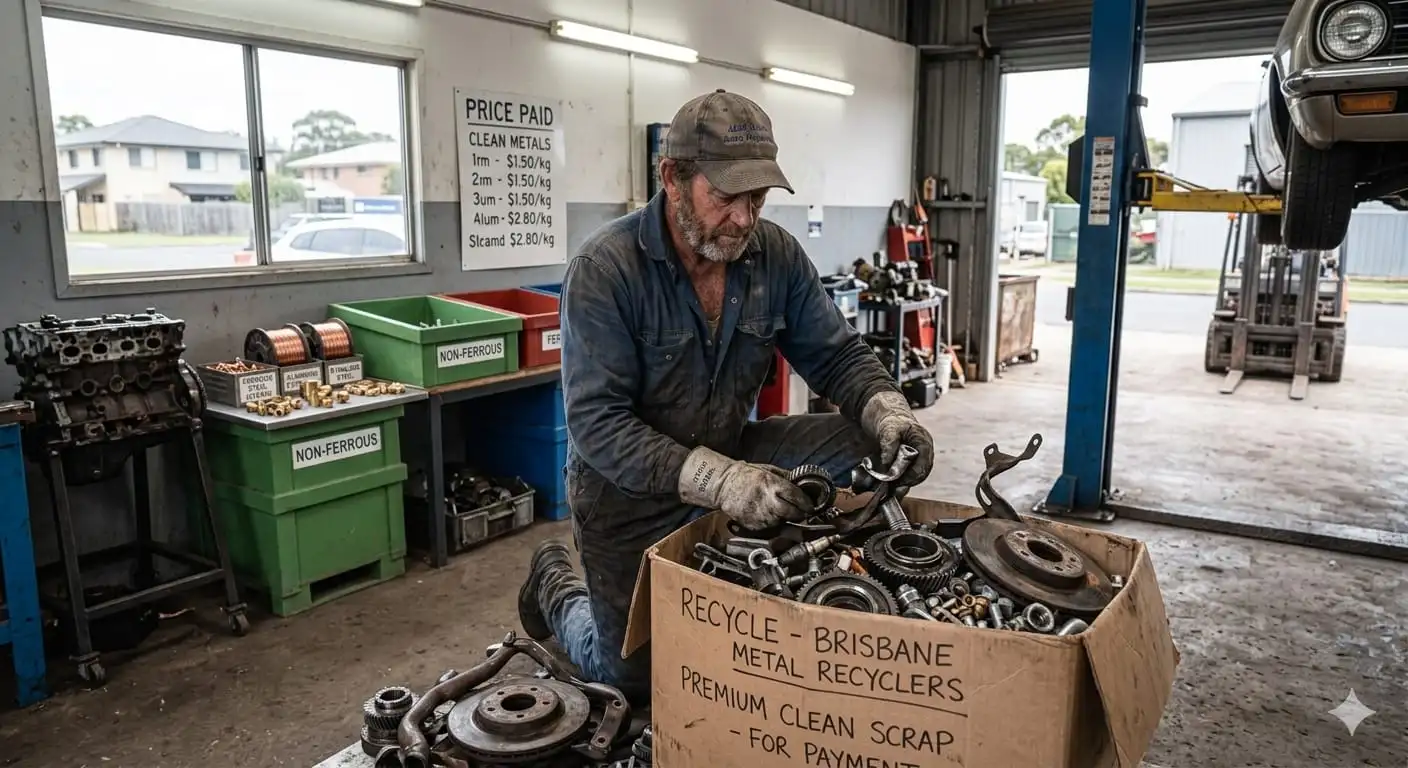
The Hidden Value in Your Workshop: What Metals to Separate
Not everything made of metal is "scrap metal". It's essential to educate your staff on recognizing and separating the high-value non-ferrous metals from regular heavy steel to maximize your workshop's financial return from your waste.
If you put everything in one bin, you will receive the lowest common denominator (usually light steel or heavy steel) price. You'll get much more money back if you classify your metals on site.
Copper Wiring and Wiring Harnesses
These vehicles have thousands of kilometres of intricate electrical components. Do not discard sections of old looms or cut segments of wiring harness if the job involves a significant amount of wiring or dashboard work or an electrical retune. The copper market is booming, with insulated copper wire being a popular choice among Brisbane metal recyclers and fetching a premium price, thanks to its global demand.
Any Other Non-metals Flat Panel Heat Exchanger
Clean radiators of aluminum or aluminum-copper, are great earners. Leaks in the air conditioning condenser, stone damage to the condenser, or front-end collisions cause the condenser to be replaced regularly.The condenser regularly needs to be replaced because of stone damage, front end collisions, and leaks in the condenser. Aluminum is extremely light and valuable; it could be a quick pay back to use a dedicated pallet or stillage for these parts.
Lead-Acid Car Batteries
Dozens of batteries are replaced each month by every mechanic. Spent lead-acid batteries are dense, heavy and have high recyclability. It would be better to keep them in a separate plastic pallet box, safely and securely, that is appropriately funded to receive the cash in by weight without endangering people or causing the spilling of hazardous acid.
Break Rotors & Suspension Parts: Cast Iron and Heavy Steel
The majority of a shop's scrap is composed of brake rotors, drums, control arms, and worn out sections of the exhaust. Steel and cast iron are cheaper per kilogram than copper or aluminum, but with all of the steel and cast iron required for brake jobs, it can quickly become expensive. A large bin that fills up periodically gives a steady rate of return.
Seamless & Efficient Navigation of Queensland's Environmental Regulations
The Queensland Department of Environment and Science (DES) and local council inspectors closely oversee Brisbane automotive businesses. If components of an automobile are improperly stored or disposed of, they could lead to extreme monetary fines.
- Lead Acid Batteries are toxic with a high concentration of sulfuric acid and lead. They should not be left outside or thrown into the general waste bin as this is a breach of QLD environmental protection acts.
- Fluid Contamination: Fluids from parts like engine blocks, gearboxes and power steering racks should be drained prior to recycling. A good metal recycler will want the parts to be reasonably free of free-flowing oil to avoid contaminating their work site.
By working with a professional Brisbane metal recycling service, you can ensure your workshop is 100% compliant. They ensure that you're properly documented and appropriately stored, assuring regulatory agencies about the responsible management of commercial industrial waste.
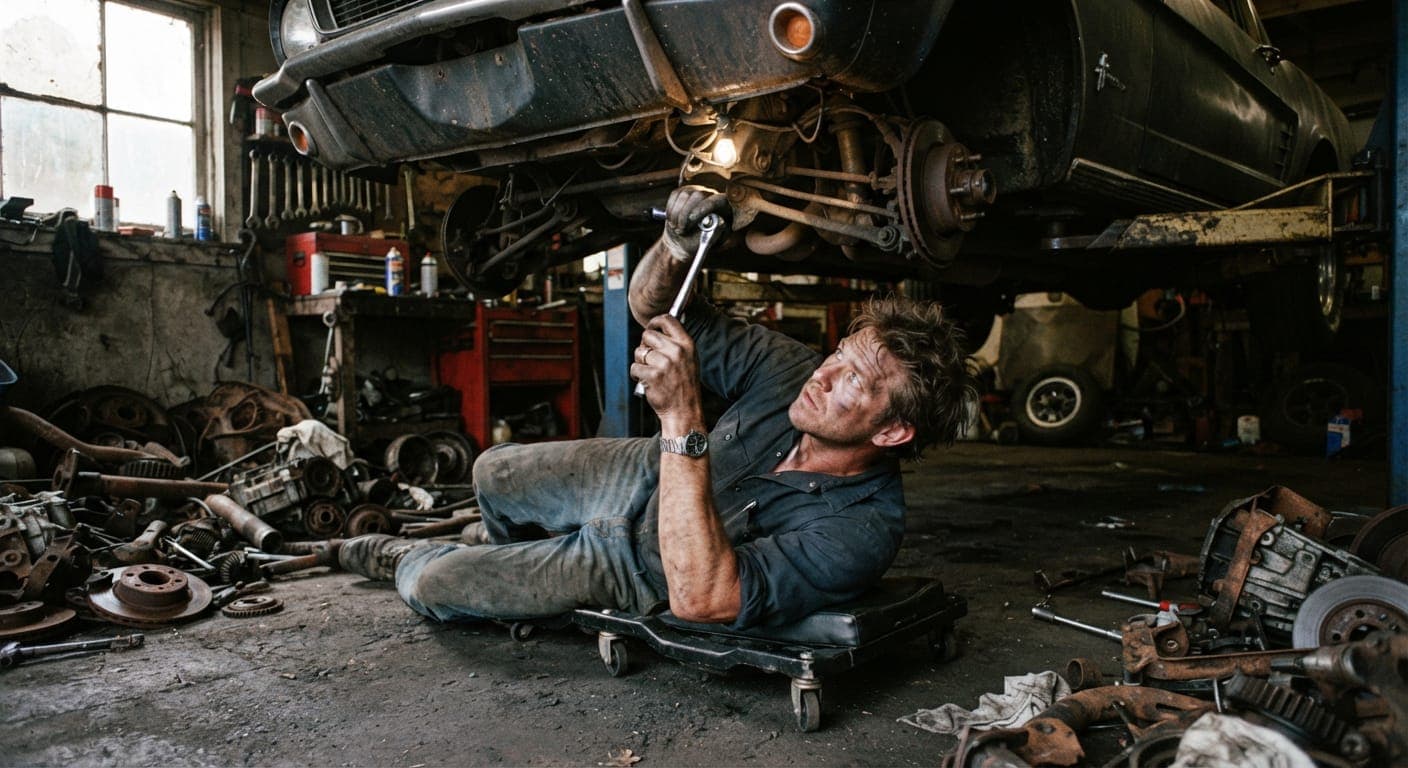
Efficiently Arrange Workshop Logistics Without Wasting The Mechanic
The most common complaints against recycling that workshop managers have is time. If a qualified mechanic is down in the yard an hour a day sorting through rotors or driving a ute loaded with rotors, you are losing money on labor.
The key to a successful recycling effort is logistics that is easy and invisible:
Enforce the Stillage System
Locate clearly labeled bins or steel stillages next to main work bays. Label them simply:
- While some are for cast iron / brake rotors, these are all found in Bin 1.
- Aluminium Radiators Only - Bin 2
- Insulated Copper Wire in bin 3
- The Lead-Acid Batteries (Bunded) are placed in bin 4.
Once a tech completes a task, the old piece of equipment is immediately placed in the correct bin, rather than a general skip. Later, no additional time is spent sorting.
The following services are scheduled to be conducted commercially (call-out and hook-lift) services
After you have established a sorting system in your workshop, you don't even have to leave the shop! Premier Brisbane recyclers have scheduled bin exchanges in busy commercial areas such as Rocklea, Geebung and Pinkenba. They drop off heavy duty bins or pallets, when they're full, the hook-lift truck replaces them with empty ones, and it's processed electronically via EFT which means no cash or checks are used.
Payment Rules in Queensland: An Understanding
It's crucial to know the local law when selling workshop junk. The Second-hand Dealers and Pawnbrokers Act in Queensland states that a metal recycling facility cannot pay cash-in-hand for metal scraps.
This regulation was put in place to curb metal theft. All legitimate commercial transactions should be made by legitimate trackable means:
- Electronic Funds Transfer (EFT): Funds that are moved electronically into your business bank account.
- Cheque:Issued on-site: When creating a business account, your workshop representative will need to bring a copy of their Queensland Driver's License or corporate ID with the details of the business for a smooth transaction.