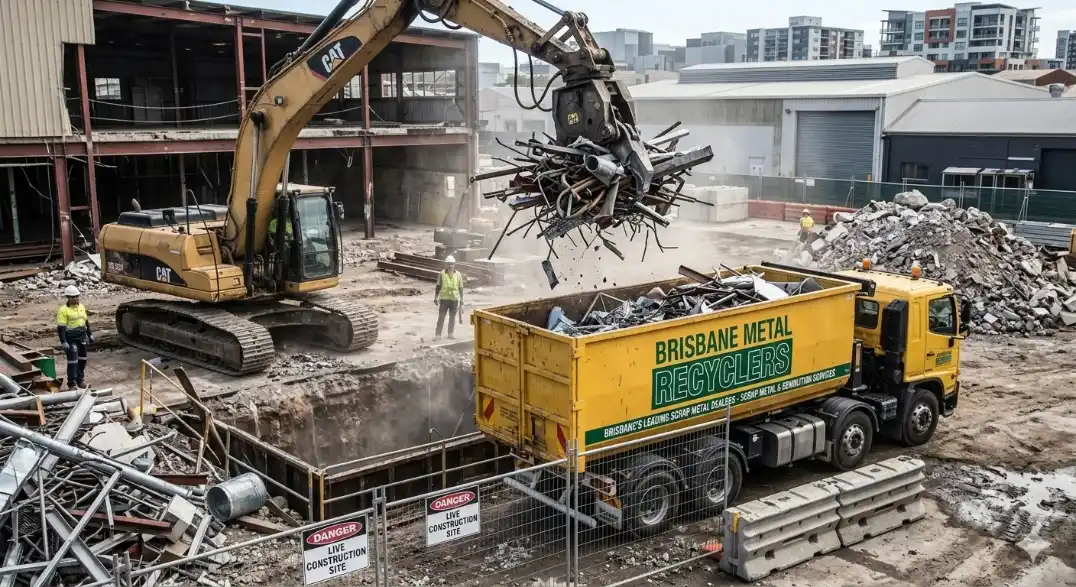
You may have a collection of old car batteries in your garage or a stack of out-of-use server racks collecting dust in an office network room; but you're in a hidden logistical nightmare. Businesses and householders in South East Queensland have some of the biggest growing problems with waste disposal, one of which is electronic waste (e-waste) and scrap lead-acid batteries. Managing these materials well is no longer a philosophy, it's a policy, and from the tight, industrial enclaves of Rocklea and Acacia Ridge all the way out towards Pinkenba and Eagle Farm, commercial land developments are growing up on them. It is required in law and is good practice. The disposal of these materials involves a clear understanding of safety, state regulations and maximising the value of the commodities that can be realised as scrap.
How to Store and Transport Old Car Batteries Safely
If you're loading a dead battery into the back of your utility vehicle or truck, it is important that you understand exactly what you are dealing with. Automotive, marine and solar batteries are heavy, unsealed and contain very corrosive sulfuric acid and heavy lead plates. Not only can chemical burns occur, but the interior of the vehicle may suffer damage, and even a short circuit that could lead to a thermal runaway event. Always store lead-acid batteries upright and out of the way before taking them to a Brisbane lead battery recycling centre — the same step happens during auto depollution of a scrap car. Do not place batteries on top of each other without the use of thick insulating cardboard or wooden pallets between the batteries — bare stacking can make it more likely for terminals to penetrate the casing of the battery above.
Store them in a strong plastic box or on a special bundled pallet designed for the acid weeping from the vent caps. For large quantities from a mechanic's shop or for commercial fleet upgrades, ensure that the storage area is well-ventilated, cool, and completely free of combustible material, open flames, and sparks. When dropping off items at the local recycling centre, make sure the load is completely secure. Heavy strap tie down is needed to prevent batteries from tipping over or sliding while riding roundabouts or making sudden stops on major roads such as the Ipswich Motorway or the Gateway Extension. Do not pour water on the battery if it has leaked while travelling. Have a bag of industrial absorbent, agricultural lime or even common baking soda on hand to neutralise any spilled acid before taking careful steps to clean it up in heavy duty nitrile gloves.
Understanding E-Waste and the Harm It Brings
Electronic waste is a broad term that covers everything from printed circuit boards and copper-insulated wiring, to old computer monitors, corporate server banks and solar inverters. When businesses have technology assets across the northern and southern industrial corridors of Brisbane, upgrading these assets inevitably generates a huge disposal liability. Placing these items in a general waste skip carries a high likelihood of compliance problems, high municipal fines and substantial damage to the local environment.
The Dangers of Improper E-Waste Disposal
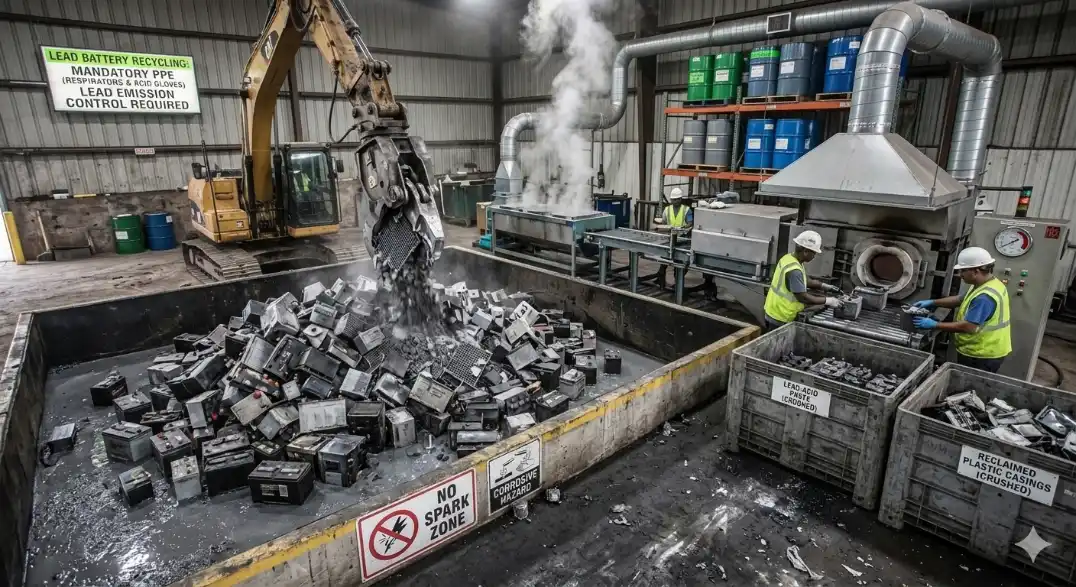
The toxic heavy metals found in electronics such as cadmium, mercury and lead can leach directly into the soil when the electronics reach local landfills. These contaminants wash out over time into the local waterways and affect sensitive sub-tropical habitats that feed into the Brisbane River and Moreton Bay. On the other hand, if these are channelled to a specialised appliance and e-waste recycling service, they are drawn into an efficient recycling system. The circuit boards, copper cables and electrical transformers contain high value and non-ferrous metals such as copper, aluminium and even small quantities of precious metals such as silver and gold. These elements are separated by special processes of shredding, magnetic separation and smelting, used in scrap metal yards, which allows raw materials to re-enter the production process and drastically reduces the need for destructive raw mining.
Environmental Laws and Compliance Standards in Queensland
There are strict regulatory standards in Queensland that must be followed when running a business or conducting a commercial clean out. The Queensland Department of Environment and Science has strict requirements for handling, tracking and processing hazardous waste and regulated materials that can be recycled. Industrial scrap metal yards are required to hold a strict Environmental Relevant Activity (ERA) licence, which ensures they have the necessary equipment to handle hazardous materials without posing a threat to the surrounding community. If you are a commercial electrician, solar installer or demolition contractor, having a clean chain of custody for your waste is essential.
Doing Brisbane a Favour: Recycling Wires, Old Phones & Cables
By dropping off your old power banks, data cables and transformers at a licensed recycling yard in Brisbane, you can be assured that your items are being recycled 100% legally. While compliance and safety are the core tenets of e-waste management, there's a real business opportunity not to be overlooked: the financial reward. There is significant value in the commodity metals held in high-grade electronics and batteries, including uninterruptible power supplies with high density lead-acid batteries, telecommunication racks packed with heavy copper grounding busbars, industrial electric motors and transformers with dense tightly wound copper coils, and commercial solar array decommissioning, which generates large quantities of aluminium framing and heavy gauge DC copper wiring. Connect directly with a dedicated metal recycler that provides an accurate weighing system and competitive local prices based on global metal market indexes, and you will get the best value for your money.
The Scrap Recycling Process in Queensland
The Queensland Second-hand Dealers and Pawnbrokers Act requires valid scrap dealers to identify anyone selling scrap metal for cash, so you will need to provide a valid photo ID at drop off. This regulatory compliance keeps illegal trades out of the picture and gives corporate customers peace of mind that their outdated infrastructure is managed by an authorised party. For large factory upgrades or commercial site strip-outs in areas such as Geebung, Strathpine and Coopers Plains, you can even organise bulk collection. This makes the site easier to manage, removes dangerous debris from the work area and lets your team concentrate on productive operations while the recycling yard handles the recovery work — much like what a council truck won't take at the kerb. Electricians, solar installers and demolition contractors need a clean chain of custody to prove that materials are safely and properly disposed of, and old backup power banks, data cables and transformers processed through a fully licensed Brisbane yard are handled in full compliance with the law.
Not sure where to start with a shed or worksite full of mixed materials? Our guide on why leaving scrap un-recycled is a problem covers the bigger picture, and our team is on hand to book a collection across Greater Brisbane.